AI Stopped Being a Side Project
AI in underwriting used to be a side pilot with a long list of caveats. Not anymore. It is becoming part of how the work gets done, handling the repeatable parts of a submission so underwriters can spend more time on judgment.
Speed still matters; brokers expect a fast response. But the bigger shift carriers are chasing is quality: better intake, more defensible decisions, tools that make their underwriters sharper. One theme came up more than once in my conversations: underwriters want ownership of the change, not something imposed on them. The carriers furthest along treat AI as a decision-support tool their underwriters trust and control, not a system that works around them.
The Gap Is Less Glamorous Than the Headlines Suggest
The headline AI conversations skip the less glamorous part. A meaningful share of submissions, by some estimates close to a fifth, are still keyed in by hand, and a messy bureau feed adds cleanup work that has nothing to do with judging risk. What carriers want is not a smarter model. It is an application reader and a loss-run reader that actually work.
Success, for the carriers furthest along, is defined in small, real terms. One underwriting leader I spoke with said a single basis point of improvement in loss experience, sustained over a year, would count as a strong result. That is the right bar. It also means documentation matters as much as automation: raising the standard of how a risk is documented speeds up review and gives underwriters a clearer record to work from.
Why General-Purpose AI Alone Does Not Close That Gap
A general-purpose AI model can draft and summarize well. That is not the same as being ready to run inside a carrier’s underwriting workflow.
Insurance runs on messy submissions, rules that vary by line and state, and guidelines that must be applied the same way every time. A chat window owns none of that, not the data quality, not the audit trail, not the final decision. The gap between a model that writes well and a system a carrier can actually run submissions through is wider than it looks, and closing it is different work than building a better chatbot.
The backdrop makes this more than academic. US commercial lines combined ratio is tight, projected near 99% in 2026 according to the Swiss Re Institute, and by some estimates 40 to 45 percent of a P&C underwriter’s time still goes to work outside core underwriting, per Accenture and The Institutes.
Regulation adds another layer. Roughly half of U.S. states have adopted the NAIC Model Bulletin on AI use, and examiners want to know how a decision was made, not just what it was. Bulletins and filings move through SERFF across more than 40 states, each on its own schedule. Carriers moving through mergers or system consolidations feel this acutely too. Reconciling forms and filings across two systems is exactly the kind of structural work general AI does not solve on its own.
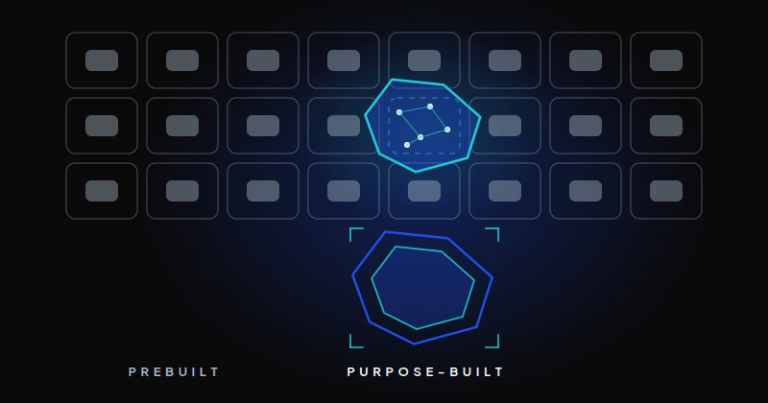
This is the gap Agent Arivon is built to close. A team describes the outcome it needs, a loss-run feed that arrives in usable shape, say, and Agent Arivon assembles the pipeline that delivers it, grounded in the carrier’s own rules and guidelines, traced for audit, and approved by a person before it touches live flow.
We have made this argument before in our pieces on agentic AI frameworks and specialized intelligence. The same shift applies here, one layer down, in the data and workflow underneath the decision.
Where Insuronix, Powered by Arivonix, Fits
Insuronix is Underwriting Intelligence and workflows built around how a specific carrier actually runs its book, connecting into systems already in place rather than asking anyone to migrate.
On the portfolio side, instead of waiting on a quarterly review deck, Insuronix reads a carrier’s own policy and claims data and explains what is moving, in plain language, traceable back to the record it came from. On the regulatory side, it reads each bulletin and filing the day it posts, sizes the impact on that carrier’s book, and delivers it to the tools the team already uses, with the same traceability we have argued AI oversight itself needs at the decision layer. Monitoring tells you a rate or rule changed; Insuronix gets the change implemented: costed, assigned, approved, and on the record.
What We Are Taking Away From This One
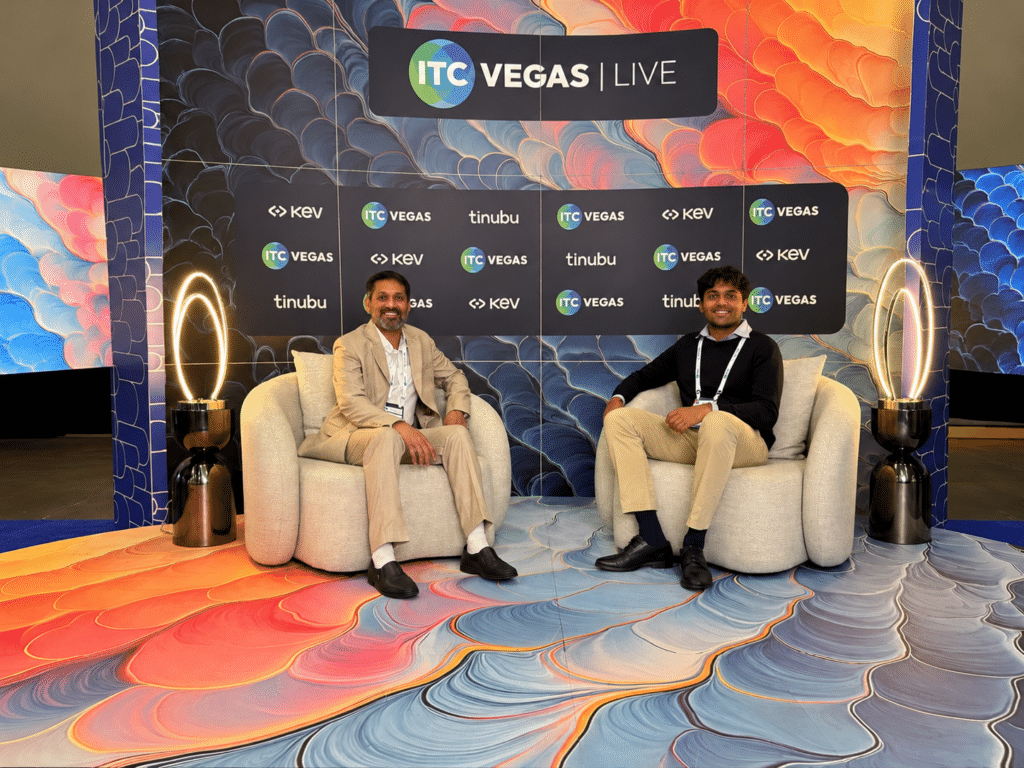
The best conversations in Vegas were not about what AI might eventually do for insurance. They were about carriers already running it in production, candid about where it still falls short. That is a healthier place for this industry to be than the hype cycle we were in a couple of years ago. The firms that treat insurance as a production problem, not a demo, are the ones that will move the needle for carriers. That is the standard we are building toward.
Book a Consultation | Learn More About Insuronix