

Data Products for AI Agents: Why Analysis-Era Designs Are Being Rebuilt
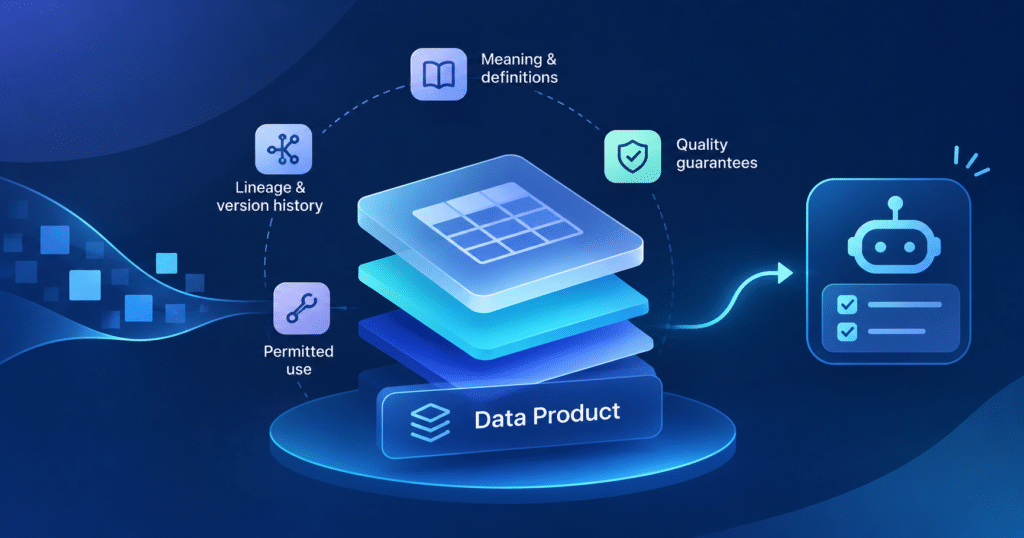
For most of the data mesh era, a data product had a predictable reader. An analyst opened the catalog entry, skimmed the documentation, noticed that the revenue figure excluded refunds, and messaged the owner when something looked off. The product worked because a person filled in what it left unsaid. That reader now has company. […]
Private AI Deployment: Why Audit Evidence Now Depends on Where Your AI Runs
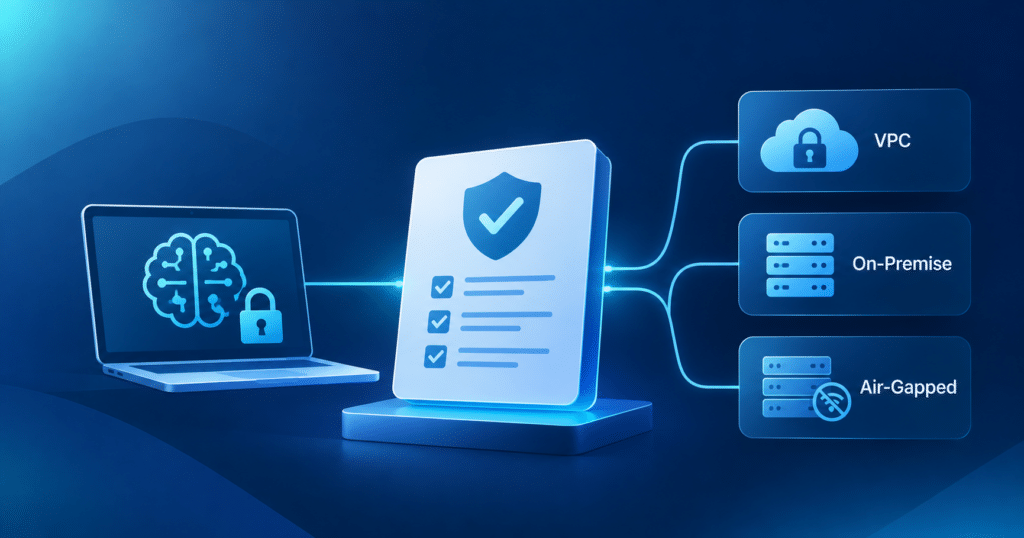
For the past two years, the case for private AI deployment rested on one worry: would sensitive prompts end up training someone else’s model? Zero-retention clauses and enterprise API terms mostly put that worry to rest. In 2026, regulated enterprises started asking a harder question. When an examiner asks you to reconstruct a specific AI […]
Agent Harness: The Layer Enterprises Should Evaluate Before the Model
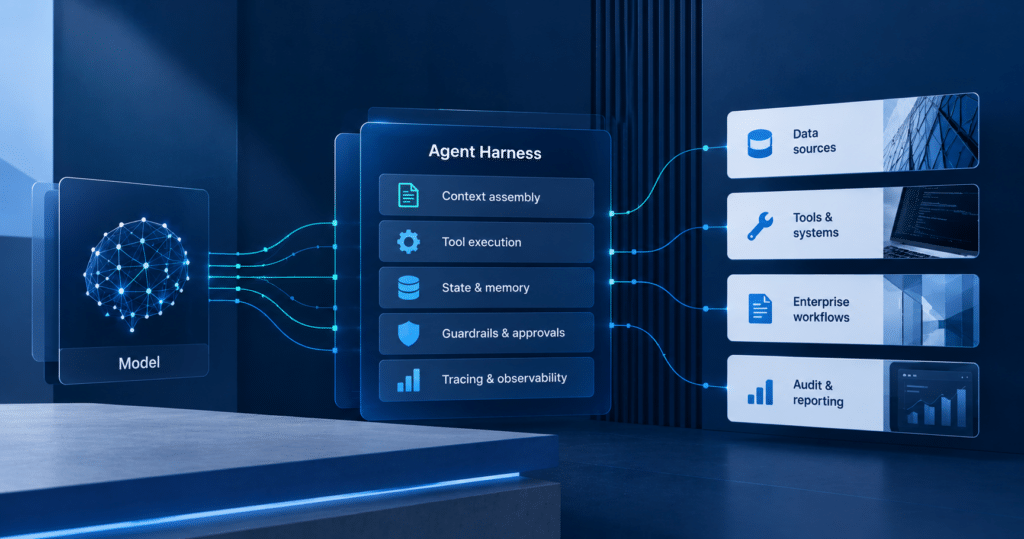
For most of the agentic AI boom, enterprise evaluations started with one question: which model? Teams ran model bake-offs and redrew roadmaps every time a new frontier release landed. In 2026, a growing share of that conversation moved to the agent harness, the runtime layer between a model and everything it touches. In February, LangChain […]
Single Agent vs Multi-Agent Systems: When More Agents Make Things Worse
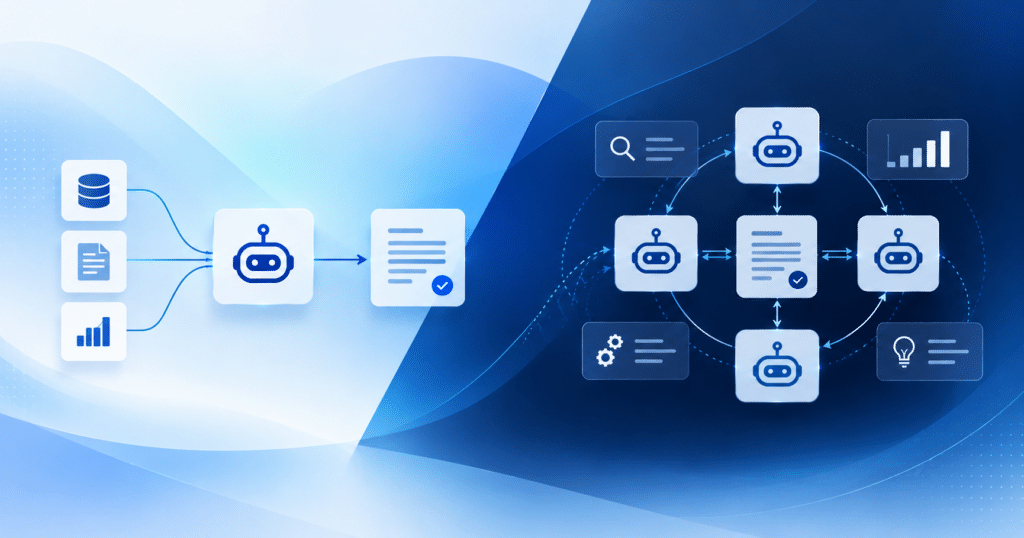
For most of the past two years, the single agent vs multi agent debate had a default answer: add agents. A planner split the job across specialist agents, and a supervisor stitched the results together. Diagrams of multi-agent systems became a fixture on enterprise AI roadmaps. In October 2026, the evidence behind that habit got […]
AI Data Licensing: AI Labs Are Paying for Proprietary Data. Should You Sell Yours?

For most of the generative AI boom, data licensing was something publishers did. News archives and image libraries changed hands for flat annual fees, and most enterprises watched from the sidelines. That has changed over the past year, largely because of two court decisions. In July 2026, a federal court gave final approval to Anthropic’s […]
EU AI Act Timeline: Why December 2027 Is Closer Than It Looks for Insurers

For most of the past two years, every EU AI Act timeline that compliance teams planned around pointed to one date: August 2, 2026. That’s when the rules for high-risk AI systems were due to start. Then the date moved. The Digital Omnibus on AI, Regulation (EU) 2026/1744, came into force on July 27, 2026. […]
AI Agent Identity Has a Credential Answer. Data Access Still Needs One.

A year ago, the idea that every AI agent should carry its own identity mostly lived in research papers and conference talks. Today, AI agent identity is a product category with budgets behind it. Microsoft lists Entra Agent ID as generally available, and Gartner put IAM for AI agents on its list of cybersecurity trends […]
ITC Vegas 2026: Where Underwriting AI Is Actually Working, and Where It Still Isn’t

I spent three days at Mandalay Bay for ITC Vegas 2026, in sessions, on the floor, and in one-on-one conversations with carriers, MGAs, and the teams building alongside them. A few things stood out clearly enough to write down. AI Stopped Being a Side Project AI in underwriting used to be a side pilot with […]
No-Code AI Pipeline Builder or Custom Data Pipeline Architecture: When Each One Is Right
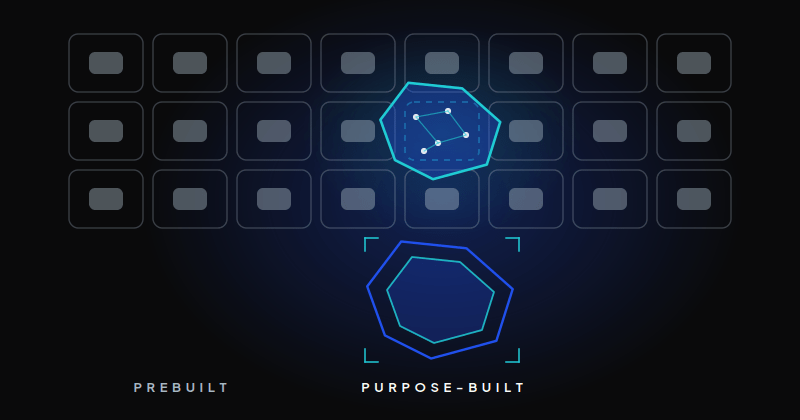
A no-code AI pipeline builder can take a business analyst from an idea to a working pipeline in an afternoon, no engineer required. That is a real capability, and for a good share of use cases it is the right one to reach for. Whether no-code tools work is settled. They do. The harder question is where they […]
Your AI Isn’t Learning Your Company: The Case for Custom AI for Business
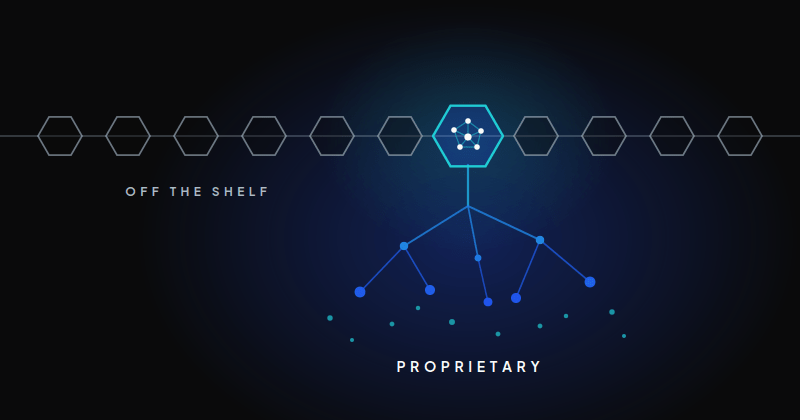
Every company buying AI right now is buying more or less the same thing: a handful of foundation models, licensed through the same few clouds and wrapped in the same no-code tools. That worked as an advantage while the technology itself was scarce. It stopped working the moment your competitor could buy the exact same capability, […]
GraphRAG vs Standard RAG: Which Retrieval Architecture Is Right for Enterprise AI?
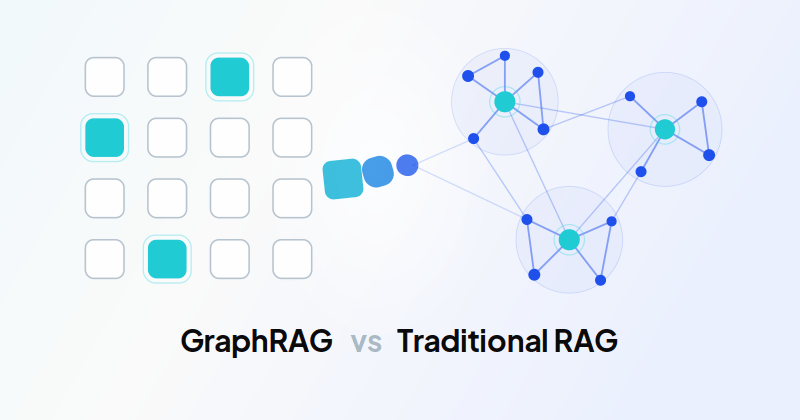
Ask a standard RAG system “what was our Q3 refund policy” and it answers well. Ask it “what are the recurring themes across two years of customer complaints” and it falls apart, because no single retrieved chunk holds that answer. Closing that gap is the whole reason GraphRAG exists. Microsoft Research introduced GraphRAG in 2024 as a graph-based approach to retrieval-augmented generation, aimed […]
Data Virtualization vs Data Replication in a Modern Data Fabric Architecture
Gartner expects organizations to abandon 60 percent of AI projects through 2026 when those projects are not backed by AI-ready data, and in the same research, 63 percent of organizations said they either lack the right data management practices for AI or are not sure they have them. Teams tend to blame the model or the prompt […]
Agentic AI Frameworks: The Case for Specialized Intelligence Over No-Code AI
Two years ago, the question every C-suite asked about AI was how fast a team could ship something. No-code tooling answered it well. A business analyst could drag together a workflow, wire it to a language model, and have a working assistant by the end of the afternoon. That was Phase 1, and for a while, speed […]
How to Evaluate an Enterprise AI Agent Platform: A CIO’s 12-Point Checklist
Most of the vendor decks landing on a CIO’s desk right now use the word “agentic” the way software once used “cloud-native”: a label stuck on after the fact, describing the marketing more than the build. That distinction matters more than it sounds. Gartner estimates that of the thousands of vendors marketing agentic AI, only about 130 are building […]
Human-in-the-Loop AI Governance: Where Human Oversight Belongs When AI Agents Act
Ask a compliance officer in 2024 what worried them about AI, and the answer usually came back to a single bad output. Maybe a wrong figure in a report, or a recommendation skewed by biased data that a reviewer caught before it reached a customer. Ask the same question now, and the worry has shifted from one […]